

Homeopathy
Blood Pressure
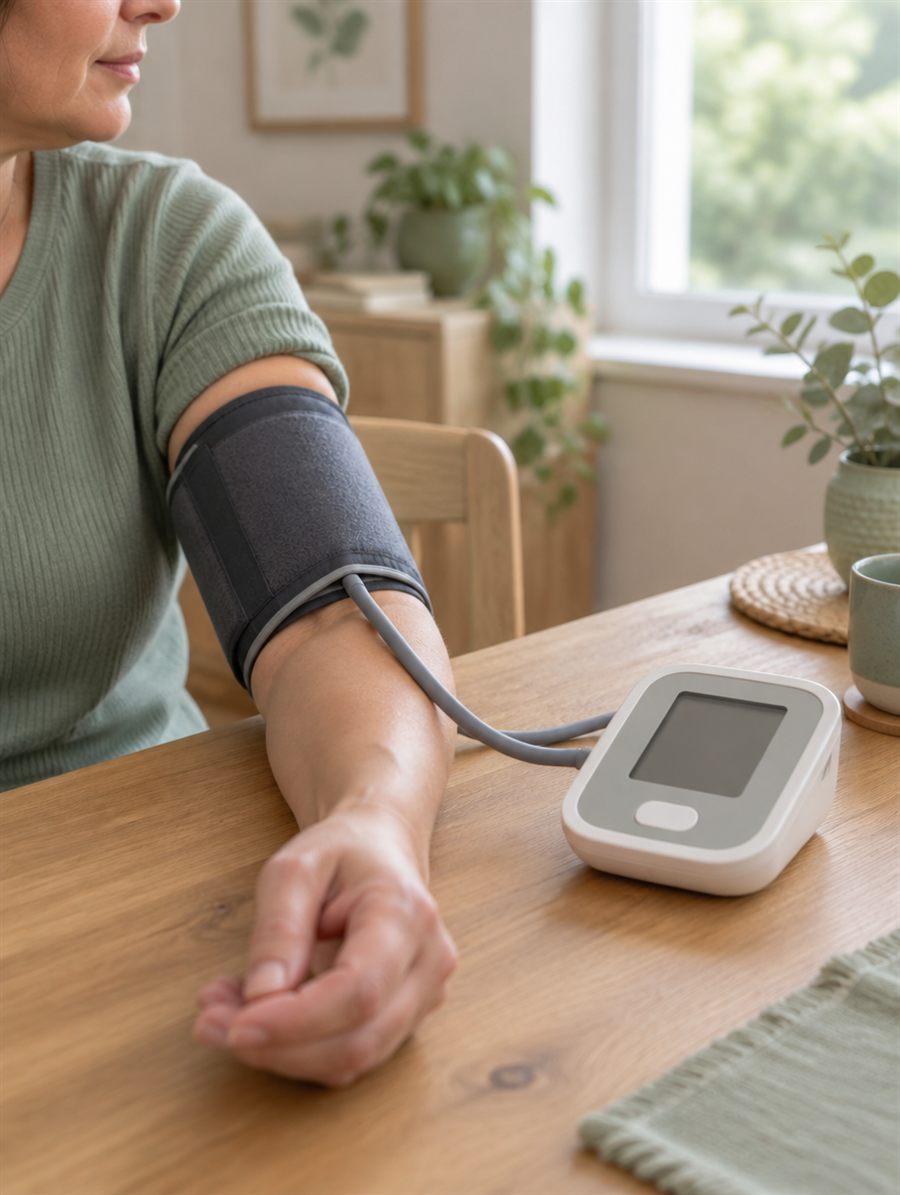
Blood pressure is the arterial pressure of systemic circulation. In other words, it is the pressure exerted by circulating blood on the walls of blood vessels due to the pumping of the heart. The rate of blood flow depends on the level of resistance blood vessels present to the flow.
A person’s blood pressure is most often expressed as systolic (maximum) pressure over diastolic (minimum) pressure and refers to the systemic arterial pressure measured in the brachial artery which is the major artery found in the upper arm. Blood pressure is measured in millimeters of mercury (mmHg).
A reading of 120/80 mmHg has become widely regarded as a "desirable" blood pressure reading.
High blood pressure, referred to as hypertension, is generally anything above 140/90 mmHg. Low blood pressure, hypotension, is generally any reading below 90/60 mmHg. The risk of cardiovascular disease increases significantly in someone who has high blood pressure.
Various factors that can affect blood pressure include:
- age
- weight
- height
- gender
- diet
- levels of physical activity
- emotional health (such as stress)
- sleep
- digestion
- drug or alcohol intake
- existing medical conditions
- overall health
As well, it should also be taken into account that normal blood pressure values fluctuate throughout a 24-hour cycle with the highest readings during the afternoon and the lowest at night.
Other physical factors that affect blood arterial pressure include:
Blood volume (the amount of blood present in the body)
- The more blood the higher the rate of blood return to the heart and thus the resulting cardiac output.
Resistance
- Referring to the resistance of blood vessels, the higher the resistance, the slower the blood flow and the higher the arterial pressure is upstream. Resistance factors in vessel radius (larger radius = lower resistance), vessel length (longer length = higher resistance), blood viscosity and smoothness of the blood vessel walls. (Smoothness is diminished by buildup of fatty deposits on arterial walls.)
Viscosity
- This refers to the thickness of the blood. If the thickness of the fluid increases, arterial pressure increases as well. If blood becomes too thick, the risk of experiencing a blood clot is increased. As well, there are certain medical conditions that affect viscosity, the most common one being anemia (low red blood cell concentration) which reduces viscosity.
In general, as adults age, systolic pressure tends to rise while diastolic pressure tends to fall. As well, elderly tend to have above "normal" blood pressure as a result of reduced flexibility of the arteries. However, an abnormal change in blood pressure is very often an indication of an issue affecting the heart’s output, blood vessels’ resistance, or both.
Homeopathic approach to any disease is to rule out the cause, treatment is given accordingly.
Book a consultation
Call the clinic at 647-856-2516 or book online.